A software development NDA covers the contract. Ask what happens after it
An NDA binds a development team on paper. Where a client's name still leaks from an agency's own website, and what to ask before you sign.
 Pravash Karki3 min read
 Contact
LastDoor designs and builds websites and products for enterprise teams and venture-backed startups. These notes are what the work has taught us: how to judge it, what to ask, and what to change first.
An NDA binds a development team on paper. Where a client's name still leaks from an agency's own website, and what to ask before you sign.
Pravash Karki3 min read
Pick one number from a case study and ask where it came from. Five checks a buyer can run, and the three corrections our own record made.
llms.txt is a markdown map of a website for AI tools. What it holds, what the evidence says about who reads it, and when it is worth adding.
For a consultancy, the website is judged by the conversations it starts, so each service gets its own page and every page a next step.
A website stays current when it is built from the things an organisation publishes, so its own staff can add them as they happen.
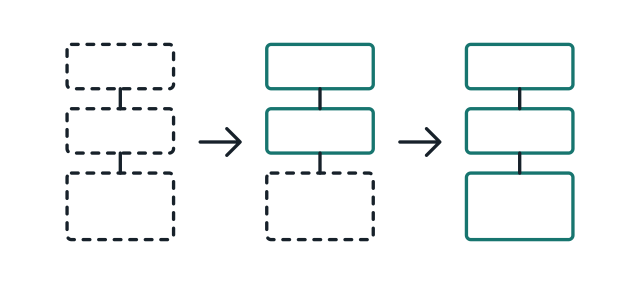
The strangler pattern replaces a live system one piece at a time. How we used its order on an email builder, and why its core still moved in one switch.
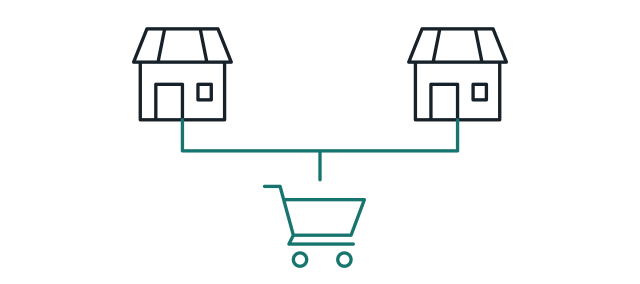
Shops that sell to the same customers can share one build, one cart and one checkout, while keeping distinct brands and catalogues.
A traveller sees the trip page. A tour operator runs on what sits behind it: departures, group prices, payments and where each enquiry came from.
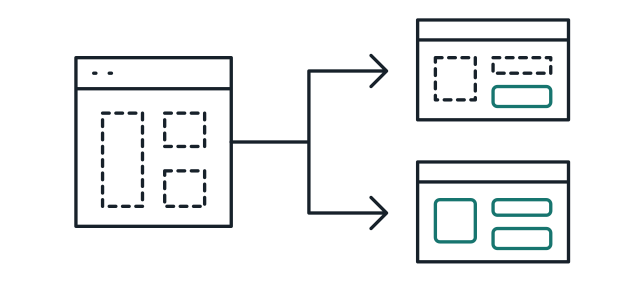
A design system for a site already in use starts from what is live. A before and after of each part is the case for every change.
A research registry serves volunteers and researchers. The volunteers come first, and every request for their data goes past people and onto the record.
TraqIT's event software had run since 1998. A first release changed the controls on the layout users knew; the task-based design came second.
A proposal shows the first three months. A partner's longest engagement, and who owned what in it, shows the years after.
Three running products we changed one part at a time, the signs that a full rewrite is the better call, and five questions to decide it.
A research project's website keeps answering after the funding ends, so it is built around the parts of the programme that last.
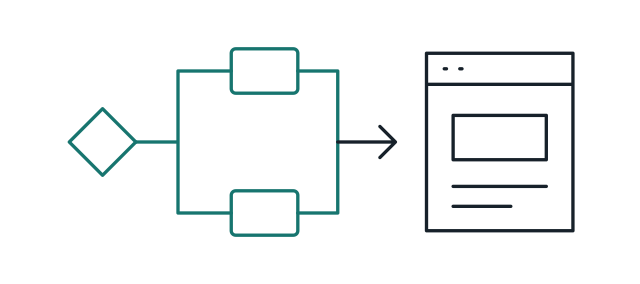
We drew three layouts too early. Now we agree the user's path, with every branch, before anyone opens a design file.
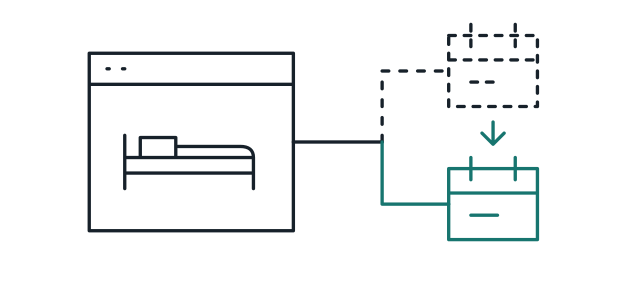
A hotel booking engine sits behind a date picker and a button on each room. Change those parts, and the rooms, pages and addresses stay as they are.
A brand can lose consistency between logo, print and website. A checklist for each, from a project where one team held all three.
WCAG 2.2 adds six criteria at levels A and AA. Our automated checks cover target size; manual testing is needed across the new requirements.
After 31 December 2026, PHP 8.2 loses upstream security fixes. Moving to a supported version depends on compatibility, verification and someone owning the change.
How Anchor Wave and LastDoor kept thousands of jobs moving for sixteen years in writing, with fewer than five meetings a year and a record of each job.
An accessibility report records a supplier's claims. Its value depends on the testing, scope and limits behind them.
A retired enquiry chatbot left useful lessons about human handover, failure handling and the gaps a checklist can hide.