How to check an agency's case studies before you hire it
Pick one number from a case study and ask where it came from. Five checks a buyer can run, and the three corrections our own record made.
 Contact
DynamicXX sold email templates, edited in its own drag-and-drop builder. We rebuilt the builder in stages, then rewrote it, from 2018 to 2021.
DynamicXX sold email templates in bundles on online marketplaces. Its customers edited them in a drag-and-drop builder, then sent them or exported them to their email platform.
The builder was already in use. It had to be rebuilt without stopping it, then given new features, then a new core.
We worked as the builder's engineering team for nearly three years: rebuilding it in stages, adding features in sprints, rewriting it, and supporting it after launch.
The dates come from the two projects' task lists; more than 230 tasks in all.
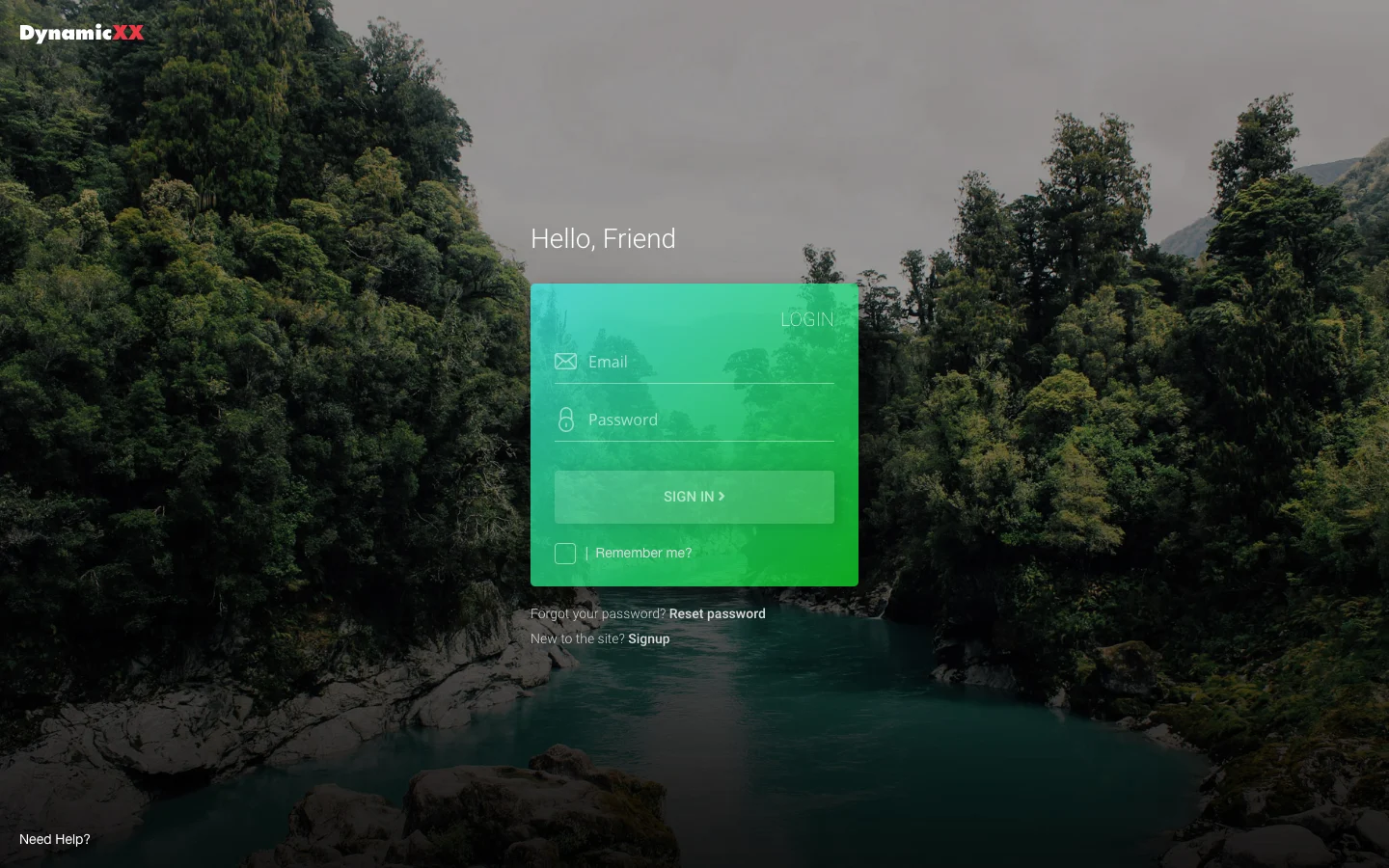
The work began in October 2018 with a brief and a seven-week timeline. We rebuilt the sign-in pages, the templates page and the editors for text, backgrounds and buttons, then template editing, copying and preview.
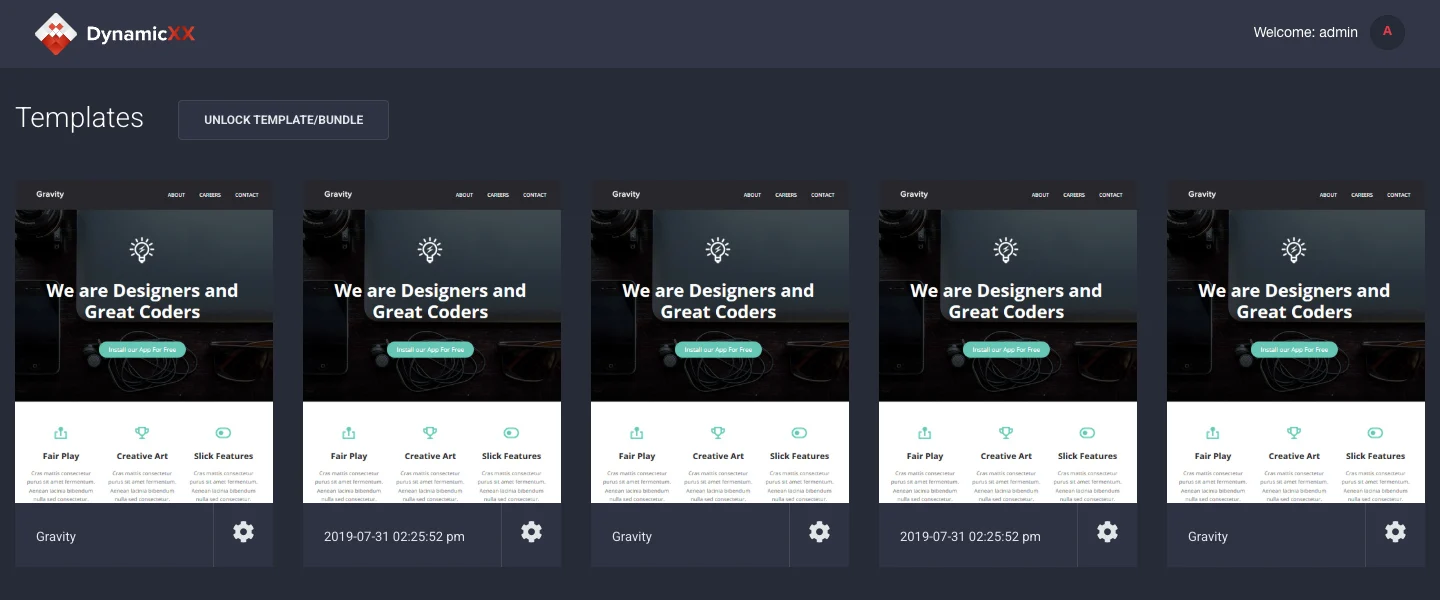
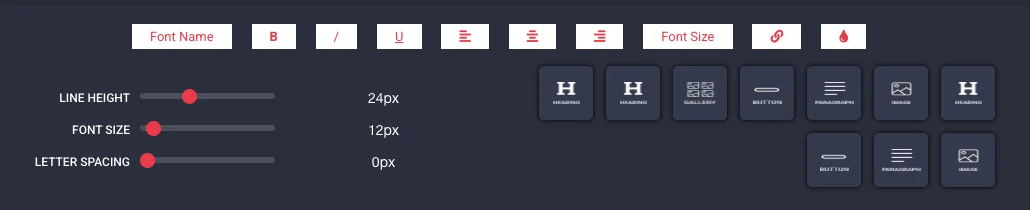
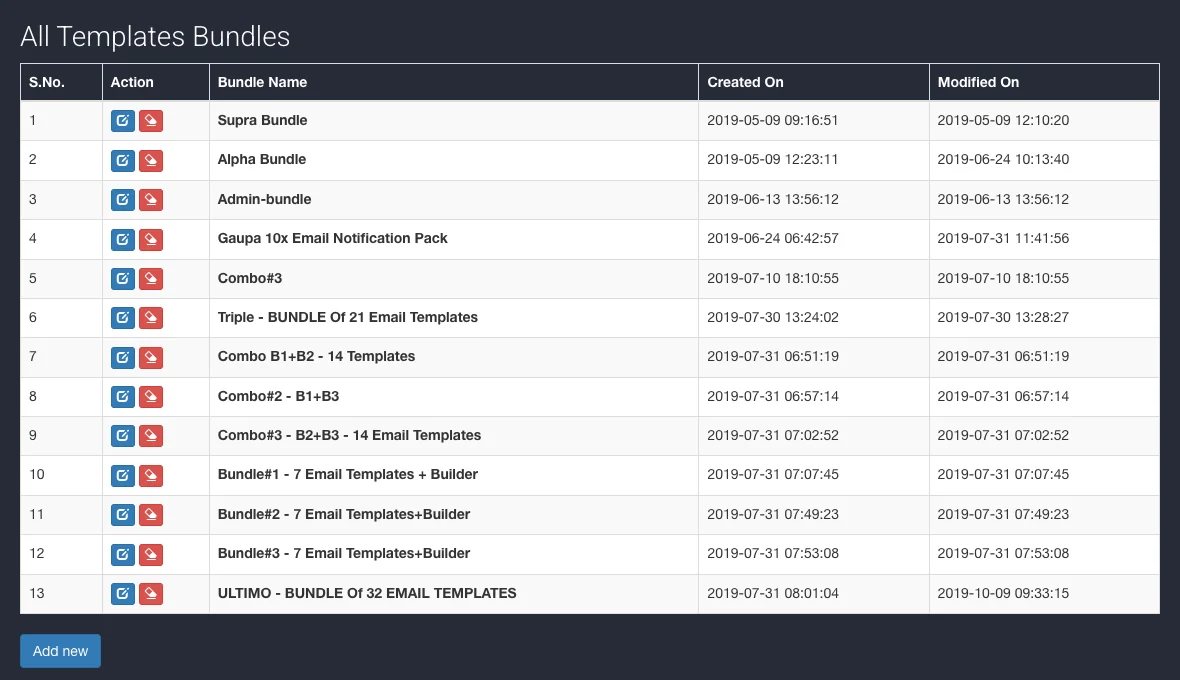
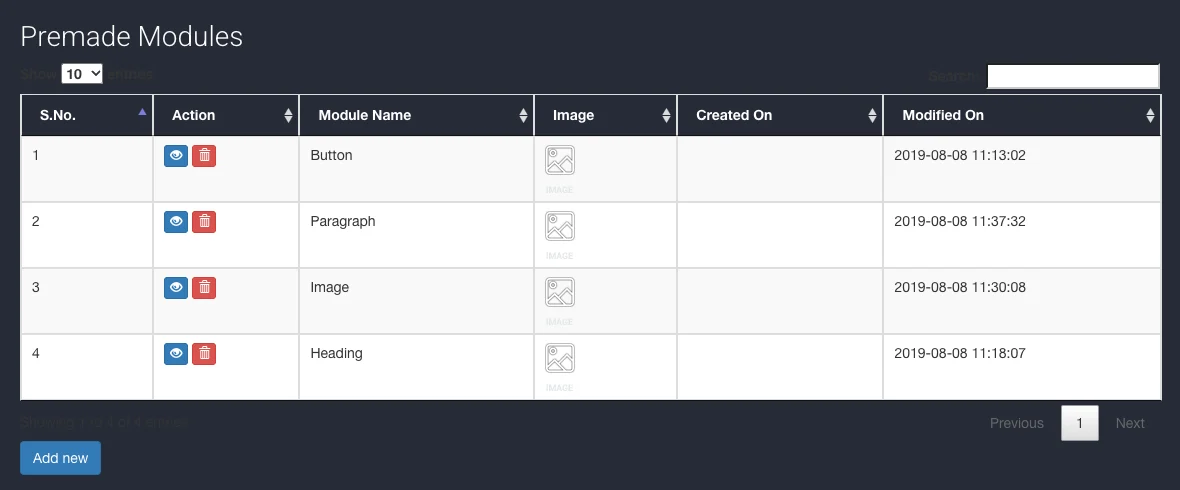
From February 2019 the work ran in sprints, each with a report. It added what customers paid for: exports to Mailchimp and Campaign Monitor, purchase codes for paid templates, bundles and premade modules. It went live in July 2019.
Templates had to carry special tags before the builder could edit them. In October 2019 we began rewriting the builder so they need none. It went live on 24 January 2020, with everything moved across, server to server, from the old builder.
We stayed on to support it until July 2021: fixes to the editors, exports and test sends, new modules, and removing the old builder from its server.
Pick one number from a case study and ask where it came from. Five checks a buyer can run, and the three corrections our own record made.
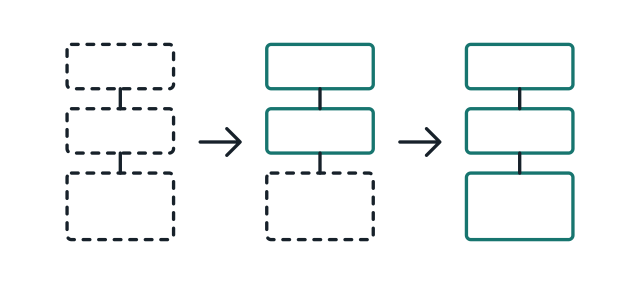
The strangler pattern replaces a live system one piece at a time. How we used its order on an email builder, and why its core still moved in one switch.