A boundary the user can cross
An engineering agreement can divide work between frontend and backend teams. The person using the product encounters the result of both. If they change a value, they need to understand whether the change has taken effect.
The interface may be waiting for another system. It may need to explain why an action cannot finish. The answers depend on what the underlying system can actually do.
A frontend team needs enough understanding of that behaviour to represent it honestly. That does not give it ownership of every service behind the screen. It gives it a responsibility to resolve the questions that reach the user, alongside the team that owns those services.
A design reference has a delivery boundary
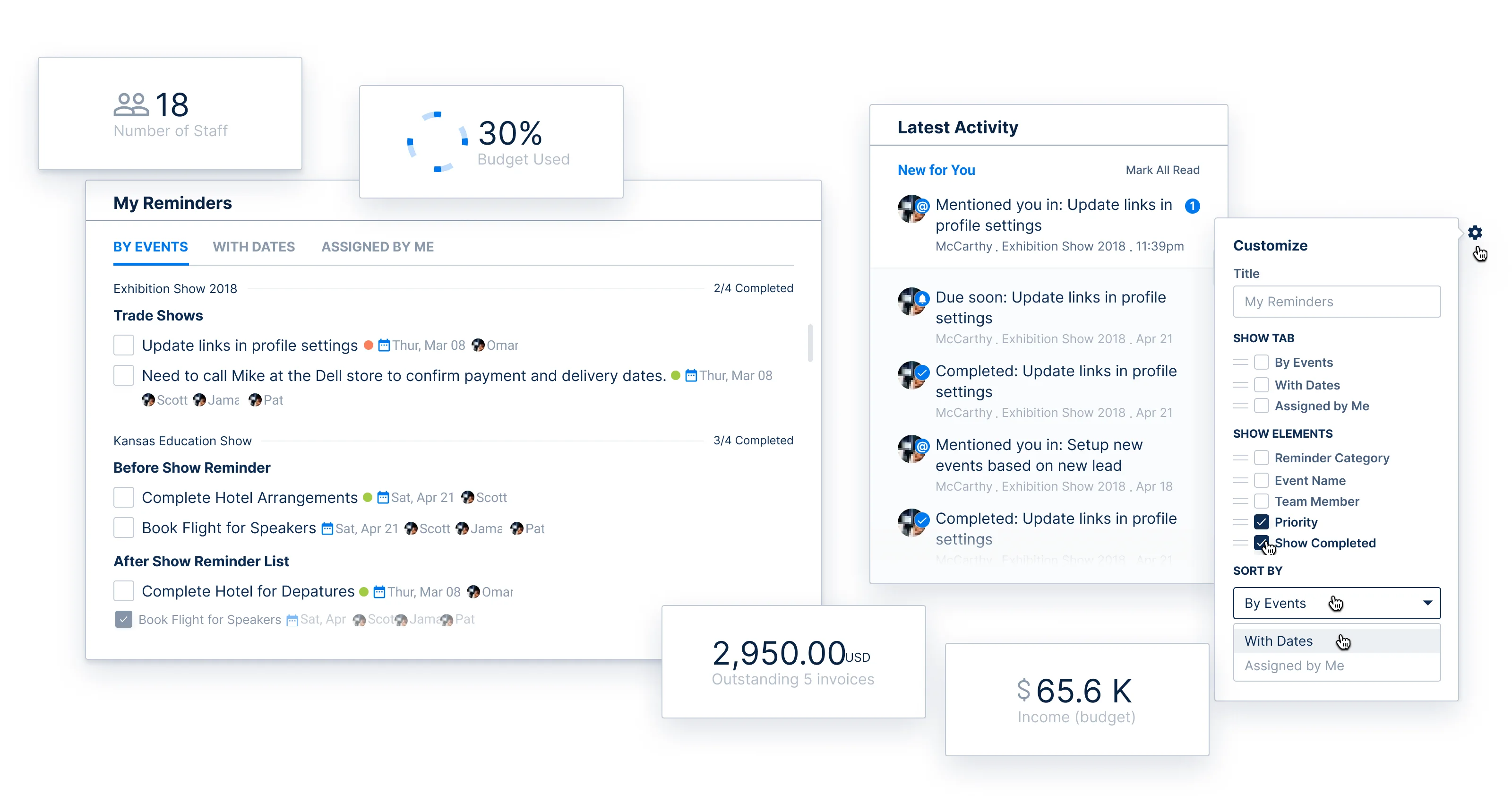
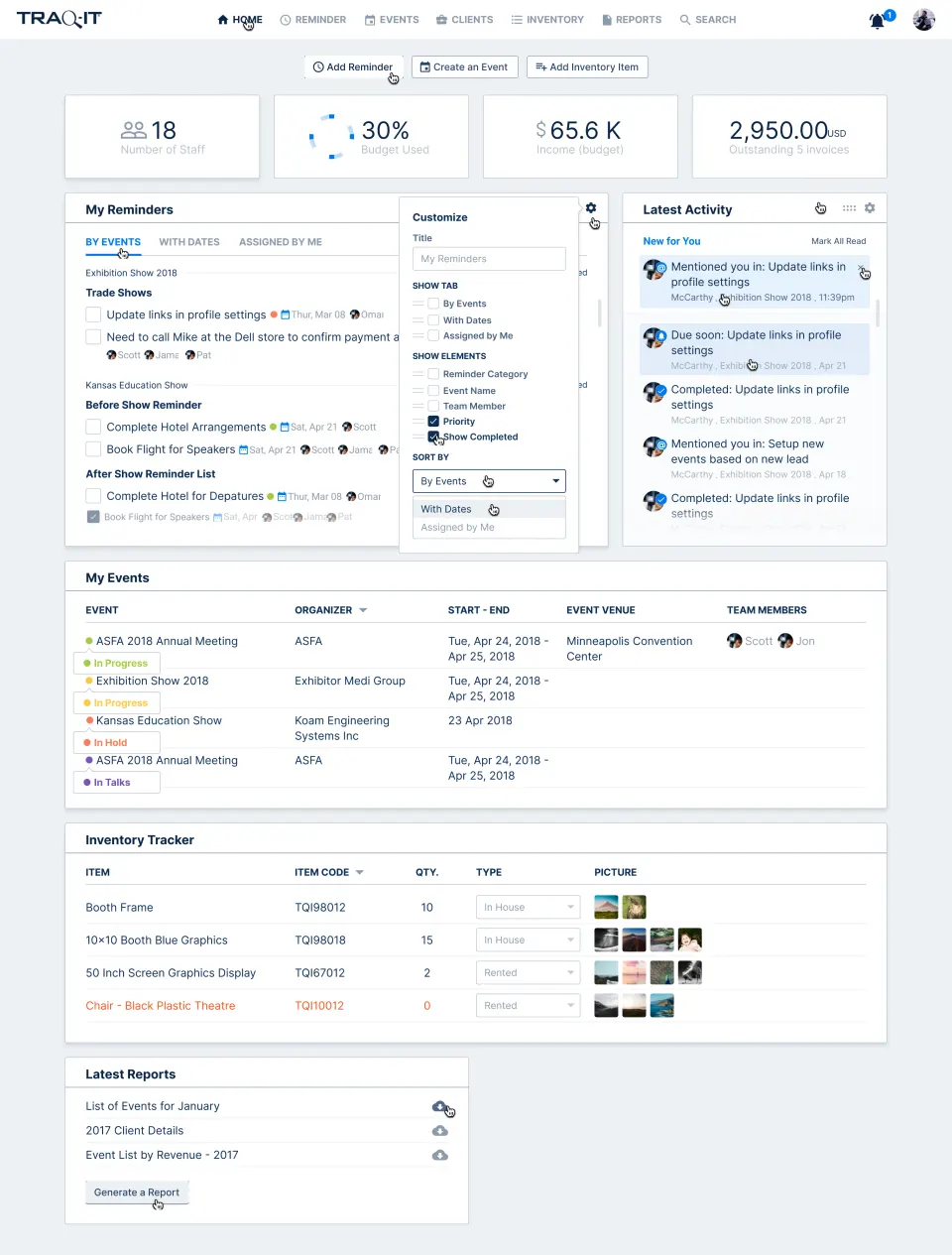
Our TraqIT engagement included research, interface iterations and collaboration with the client's product and engineering people. From July 2018, we also built the frontend of the modernised app and fixed issues found in testing.
The case records those contributions. It does not establish when the later task-based design reached every user or what effect it had on adoption. A completed design and an observed product outcome are different claims.
That distinction matters when a buyer defines the work they need. A design reference, an implemented interface and responsibility for a release each require a clear agreement. Our product engineering work starts by establishing that scope alongside the existing team.
A useful frontend boundary follows the task far enough to explain what happens next. The screen is only one moment in that responsibility.